

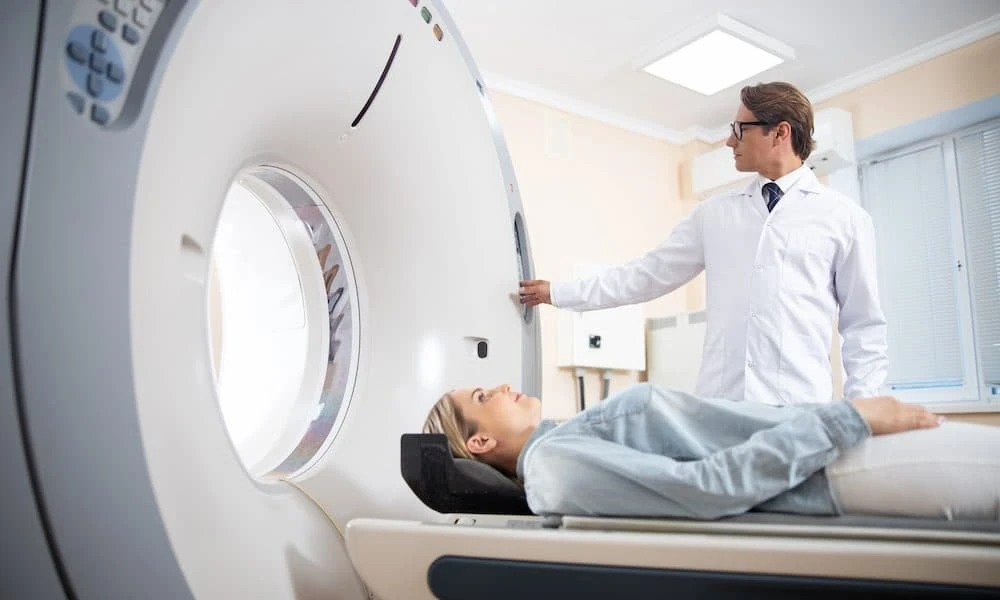
Being scheduled for an MRI scan can feel intimidating for many individuals, especially those undergoing the procedure for the first time. The appearance of the large scanning machine, the idea of remaining still inside a narrow tunnel, and common rumors about strong magnets or radiation often create unnecessary anxiety. However, the reality of the procedure is far less frightening than many people imagine. In fact, MRI is considered one of the safest and most advanced diagnostic technologies available in modern healthcare. According to Kasey McKillip, by addressing common myths and replacing them with accurate information, patients can better understand that MRI scans are designed to be safe, effective, and non-invasive.
Kasey McKillip lists certain common MRI myths patients should understand
Magnetic Resonance Imaging or MRI allows doctors to capture highly detailed images of organs, tissues, bones, and other internal body structures, helping medical professionals diagnose a wide range of conditions accurately. Despite its effectiveness and strong safety record, many patients still feel nervous or hesitant about undergoing an MRI examination because of common myths and misunderstandings surrounding the procedure. These misconceptions can discourage individuals from seeking timely medical attention, sometimes delaying important diagnoses and necessary treatments. Here are some of the common MRI myths that should be addressed:
- MRI uses harmful radiation: One of the most widespread myths about MRI scans is the belief that they expose patients to harmful radiation. In reality, MRI technology does not use ionizing radiation at all. Unlike X-rays or CT scans, which rely on radiation to create images, MRI scanners operate through the use of strong magnetic fields and radio waves. The process is completely non-invasive and is designed to safely generate detailed images of the inside of the body. This makes MRI a preferred imaging method in many situations where avoiding radiation exposure is important.
- MRI scans are painful: The procedure itself does not cause physical pain. The machine does not touch, poke, or shock the patient during the examination. However, some individuals may notice certain temporary discomforts associated with the process. MRI machines produce loud knocking, tapping, or thumping sounds while capturing images, although patients are usually provided with earplugs or headphones to reduce the noise.
- People with metal implants can’t have an MRI: While certain older medical devices, such as some pacemakers or aneurysm clips, may present risks within the MRI environment, many modern implants are specifically designed to be MRI-compatible. The most important factor is ensuring that patients provide accurate information about any implants, prosthetics, surgical clips, or medical devices they may have before the procedure begins. MRI technologists and physicians carefully review this information to determine whether the device can safely enter the MRI environment. If a particular implant is not compatible, healthcare providers may recommend an alternative imaging method instead.
- MRI is unsafe for pregnant women: In many cases, MRI scans are used during pregnancy when doctors require more detailed images than ultrasound technology can provide.
According to Kasey McKillip, although myths related to pain, radiation, pregnancy, or medical implants may create unnecessary fear, scientific evidence and medical experience continue to show that MRI examinations involve very few risks when proper precautions are taken.
