

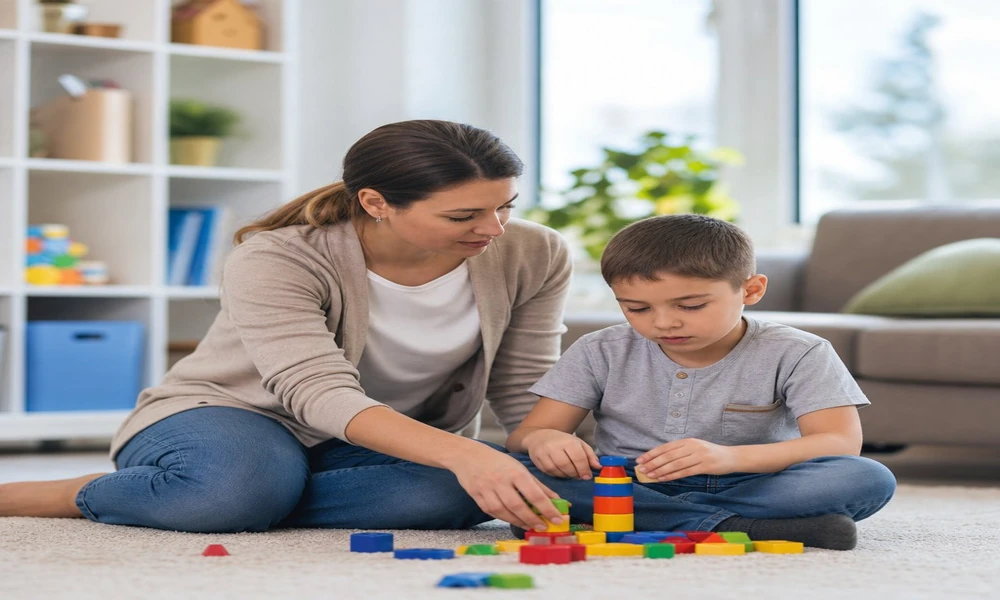
Getting the help a child with autism needs can be like putting together a puzzle that you don’t know what the final image is supposed to be. Each family is unique in their own pace and preferences and ways of communication. In home services for autism is an option that can help to feel more personalized and unique to the family. The individual does not have to learn to navigate a different environment. Instead, home-based autism services take place where they feel most comfortable, in their home and within their own routines and surroundings.
What Autism Home Care May Involve
Autism home services can include a variety of areas. It might include aspects of life skills training, behavioral supports (get more), parent/child coaching and more everyday assistance. It is geared to help individuals gain more independence, improve their communication, emotional regulation and enhance an individual’s quality of life.
It might look differently based on the age of the individual. The younger child might need more life skill training through play, early communication, and social interaction. Whereas the teen and adults might need more support with independence, safety, self-care, and community participation.
caregiver supporting autism home care routines
Home services for autism can involve one or more of the following:
- Increasing communication skills
- Supporting daily living skills
- Reducing problem behaviors
- Transitions
- Social interaction support
- Developing a consistent home routine
What Makes Home Support Services Unique
Most daily issues arise in the home. The daily activities of eating, homework, bath, siblings, can all be stressful. Because of this a home support services provider can be really helpful.
The in-home service provider gets the opportunity to watch a behavior first-hand, in real-time as the behavior occurs. They can really easily get a sense of when and what the triggers, patterns or even environmental circumstances are. A provider might find out that the stressful bedtime is sensory related, vague expectations and a very sporadic routine.
Another benefit to services in the home is that families are more likely to learn and carry out strategies and skills while they are caring for their family member. Instead of hearing a suggestion and trying it out later, in-home providers are there to coach as the thing is actually happening.
What Autism In-Home Supports Try to Accomplish
The best autism home supports should accomplish specific, individual and meaningful goals. The best plan should be in line with the person’s skills, needs, abilities and preferences and the wishes of the family.
Communication
Support may be designed to help an individual to communicate their needs, and self expression. Some methods may be words, pictures, with the full details at www.asha.org/public, symbols, technology or gestures. Supportive communication is not merely about increasing speech, rather it is about enabling people to communicate with others, to have a say and have more control.
Activities of Daily Living
In-home supports may assist with skills such as dressing, eating, brushing teeth, personal hygiene, toileting and housework. Such skills are typically taught incrementally over time.

daily living skills support in the home
Behavior and Emotional Regulation
Problem behaviors may occur when someone is stressed, frustrated, overwhelmed, confused or sensory seeking. Home services for autism can support families to identify the underlying function of the behavior and develop more appropriate, effective and safe responses.
Empowering Caregivers
Families of autistic people benefit from caregiver coaching as well as any services the individual requires. When families are educated about approaches that are used, these can be applied on a daily basis, which allows for more consistency of support.
Finding the Right Services
Choosing to access home services for autism involves much more than considering the type and availability of services. The care needs to be individualized, flexible, respectful and situation specific.
Families may like to know more before beginning:
- How are needs and interests assessed?
- How are goals developed and monitored?
- How will families be involved?
- What does a typical home support session involve?
- How is progress monitored?
Good providers of autism home services will be prepared to describe their approach in detail, and welcome the opportunity to respond to questions. Caregivers should feel supported in this process, rather than criticized or judged, and should expect services to be adapted as new situations arise.
Making the Most of Home Support
To work effectively, home-based supports need to be a part of family life. This does not mean that all contact between staff and the family needs to be easy and problem-free, but it does mean that the strategies and supports being utilized need to be sensible, appropriate and workable for even the most chaotic days.
Change towards goals may take a long time. It may be slow and uneven, but any improvement is worthwhile. Having a calmer morning, a less stressful transition into bedtime or a new way to communicate wants all suggest positive change.
Designing Home Support
Autism home services provide assistance to individuals and families in the place in which everyday life takes place. With a well thought out approach, in-home services can improve communication, promote independence, lessen stress and enhance caregiver ability. Ultimately, home services that really help those they support are those that are tailored to the needs of the individual and seek to support everyday life.
