

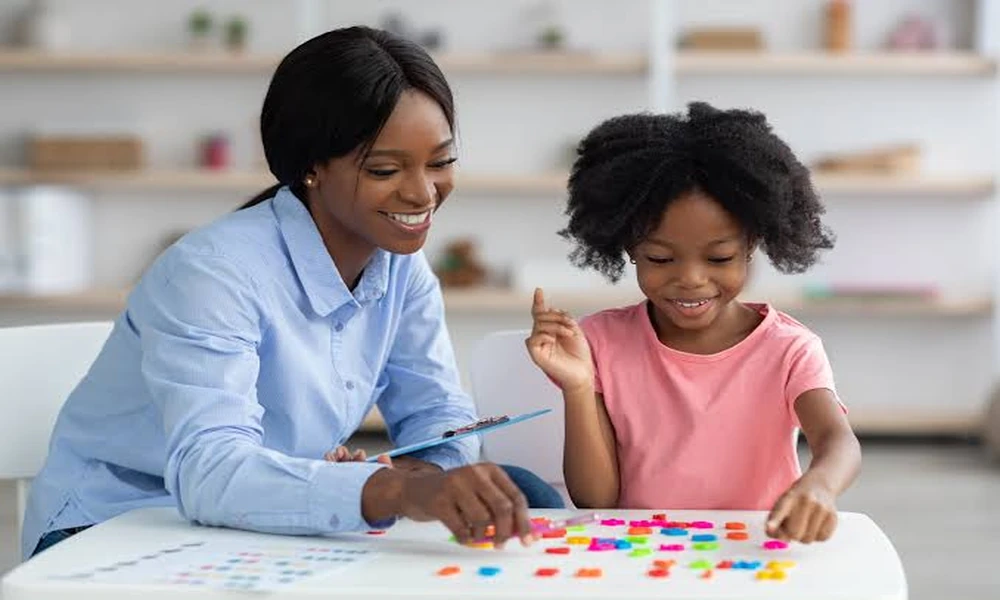
Positive learning experiences can help children develop communication, social skills, learning abilities, and greater independence in everyday life. Engaging activities can make learning more meaningful when they reflect a child’s abilities, interests, and developmental needs. A structured environment can provide clear expectations while allowing children opportunities to participate, practice skills, and gradually become more confident in different situations.
Making Learning Relevant to the Child
Learning can become more engaging when activities connect with a child’s interests and everyday experiences. Familiar toys, games, routines, and subjects can provide natural opportunities to introduce new skills. Autism Services may incorporate individualized approaches that recognize these differences and create activities suited to each child’s current abilities.
Relevant learning experiences can also help children understand how developing skills applies to daily situations. Communication practice, for example, can take place during play or mealtimes, while learning activities can be connected to familiar objects and routines. This approach can make structured support feel more practical and accessible.
Using Structured Activities
Structured activities provide children with clear opportunities to practice specific skills. An activity can be divided into manageable steps, with guidance provided when necessary. Repetition can help children become familiar with expectations while gradual changes can introduce new challenges.
A predictable structure does not mean every activity must remain identical. Activities can be adapted to maintain engagement and respond to changing abilities. Providing clear beginnings, steps, and endings can help children understand what is expected and participate more comfortably.
Encouraging Communication and Social Skills
Communication can be developed through regular opportunities to express needs, respond to questions, request assistance, and share information. Adults can encourage children to communicate during play, meals, learning activities, and other familiar routines. Allowing sufficient time for responses can help children participate without unnecessary pressure.
Social development can also be supported through activities involving turn-taking, sharing, cooperation, greetings, and simple conversations. Positive interactions with family members and peers can give children opportunities to practice social skills in familiar and supportive environments.
Supporting Participation in Daily Routines
Everyday routines provide practical opportunities for children to develop independence. Activities involving dressing, personal hygiene, eating, organizing belongings, and preparing for school can be broken into smaller steps. Children can gradually take greater responsibility as their abilities develop.
Participation can be encouraged without expecting immediate independence. Providing appropriate assistance and gradually reducing that support can help children become more comfortable with daily tasks. These routines can also reinforce communication, attention, following directions, and problem-solving skills.
Recognizing Progress and Building on Strengths
Recognizing progress can help children understand that their efforts are meaningful. Improvements may appear through small changes in communication, participation, social interaction, learning, or independence. Acknowledging these achievements can encourage continued participation and provide useful information about developing abilities.
Building on existing strengths can also support future learning. A child’s interests and established skills can provide foundations for introducing new challenges. Regular observation allows families and care teams to recognize changes, adjust activities, and create additional opportunities for children to develop their abilities across everyday settings.
