

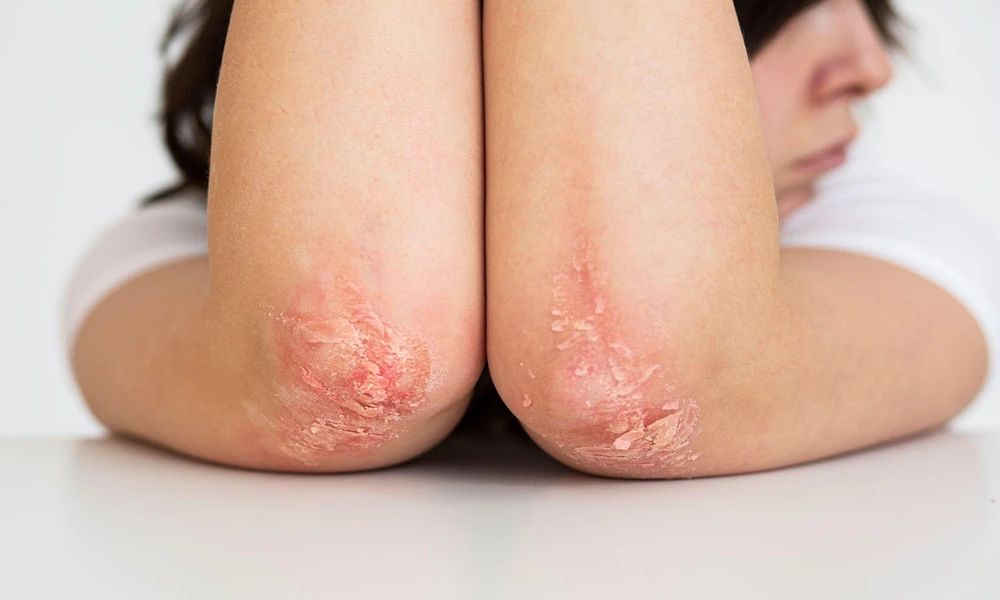
Dry, itchy, and irritated skin can be uncomfortable, especially when the symptoms keep coming back. Homeopathy for eczema is one approach people may explore when looking for ways to manage dryness, itching, irritation, and cracked skin.
Understanding eczema, its common triggers, and everyday skin-care habits can help you manage your skin more comfortably.
What Is Eczema?
Eczema is a common skin condition that can cause dryness, itching, redness, irritation, and inflammation. It may appear on different parts of the body, including the hands, face, arms, legs, and areas around the joints.
Eczema can affect people differently. Some may experience occasional dry patches, while others may deal with recurring irritation, intense itching, or cracked skin.
Symptoms can also become more noticeable during certain seasons or after exposure to particular triggers.
Common Symptoms of Eczema
The symptoms may vary depending on the type and severity of eczema, but common signs include:
- Dry or rough skin
- Persistent itching
- Red or irritated patches
- Cracked skin
- Flaking or scaling
- Burning or stinging
- Small bumps or blisters
- Oozing or weeping in some cases
When the skin becomes very dry, scratching can make the irritation worse and may lead to small cracks or wounds.
How Homeopathy May Help with Eczema
People often explore homeopathic treatment for eczema as part of their approach to managing recurring skin symptoms.
Homeopathic care generally considers the individual’s symptoms and overall health when selecting a suitable remedy.
The goal may be to help manage symptoms such as itching, dryness, irritation, and discomfort.
However, eczema is a condition that can vary considerably from person to person, and treatment outcomes are not guaranteed.
If you are considering homeopathy for persistent eczema, it is sensible to consult a qualified healthcare professional who can assess your symptoms and guide you appropriately.
Managing Dry and Cracked Skin
One of the most frustrating parts of eczema is dealing with skin that feels extremely dry and tight. Cracks can also make everyday activities uncomfortable, particularly when they develop on the hands, fingers, or areas that bend frequently.
Moisturise Regularly
Keeping the skin moisturised is an important part of everyday eczema care. Apply a gentle, fragrance-free moisturiser regularly, particularly after bathing.
Moisturising helps reduce moisture loss and can make dry skin feel softer and more comfortable.
Thick creams or ointments may be more suitable for very dry areas than lightweight lotions.
Avoid Very Hot Water
Long, hot showers may feel relaxing, but hot water can remove natural oils from the skin and increase dryness.
Try using lukewarm water and keeping bathing time relatively short.
After bathing, gently pat the skin dry instead of rubbing it aggressively with a towel.
Choose Gentle Skin-Care Products
Soaps, fragrances, and harsh cleansing products may irritate sensitive skin. Choosing mild, fragrance-free products can help reduce unnecessary irritation.
It is also useful to introduce new skin-care products gradually rather than applying several new products at once.
What Can Trigger Eczema Flare-Ups?
Eczema symptoms may become worse when the skin comes into contact with certain irritants or allergens. However, triggers can differ from one person to another.
Common factors that may contribute to flare-ups include:
- Dry or cold weather
- Excessive heat and sweating
- Stress
- Dust or environmental irritants
- Fragrances and harsh chemicals
- Certain fabrics
- Frequent hand washing
- Scratching or rubbing the skin
Keeping a simple record of flare-ups may help you notice patterns and identify potential triggers.
Homeopathy and Different Types of Eczema
Eczema does not always look the same. Some people experience dry and flaky patches, while others may have irritated or weeping areas.
Dry eczema relief often focuses on maintaining skin moisture and reducing factors that contribute to dryness.
If the skin is cracked, regular moisturisation and gentle skin care can be particularly important.
In cases where the skin is irritated and itchy, avoiding scratching and identifying potential triggers may help prevent further irritation.
Weeping or Oozing Eczema
Some forms of eczema can produce fluid or oozing from affected areas. This may happen during an active flare-up and can make the skin particularly uncomfortable.
If the affected area becomes increasingly painful, swollen, warm, develops pus, or appears infected, professional medical attention should be sought rather than relying solely on home remedies.
Everyday Tips for Managing Itchy Skin
Itching can sometimes become a cycle. The more you scratch, the more irritated the skin may become, which can lead to further itching.
Here are some simple habits that may help:
Keep Nails Short
Short nails can reduce the likelihood of damaging the skin when you scratch unintentionally, particularly while sleeping.
Try a Cool Compress
A clean, cool, damp cloth placed gently over an itchy area may provide temporary soothing relief. Avoid placing ice directly on the skin.
Wear Comfortable Clothing
Soft, breathable fabrics may be more comfortable for sensitive skin. Tight clothing or rough fabrics can create friction and may aggravate irritated areas.
Manage Stress
Stress does not cause every case of eczema, but some people notice that their symptoms become worse during stressful periods.
Relaxation, regular sleep, physical activity, and other healthy routines may support overall well-being.
For people exploring homeopathic products, options from brands such as Medisynth may be considered with appropriate professional guidance and according to individual needs.
When Should You See a Doctor?
Eczema can often be managed with consistent skin care, but some symptoms require professional assessment.
Consult a healthcare professional if the condition is severe, spreading, persistent, or interfering with sleep and everyday activities.
Medical attention is particularly important if you notice signs of infection, such as increasing pain, swelling, warmth, pus, or fever.
You should also seek advice if you are unsure whether your symptoms are eczema, as several other skin conditions can cause itching, redness, dryness, or cracking.
Conclusion
Eczema can make everyday life uncomfortable, particularly when dryness, itching, irritation, and cracked skin keep returning.
Homeopathy for eczema may be explored by some people as part of their approach to managing these symptoms, but individual responses can vary.
Along with any treatment approach, simple habits such as regular moisturisation, gentle cleansing, avoiding known triggers, and protecting the skin from excessive dryness can make everyday skin care easier.
If symptoms are persistent or severe, professional medical guidance is important for identifying the condition and choosing an appropriate treatment plan.
