

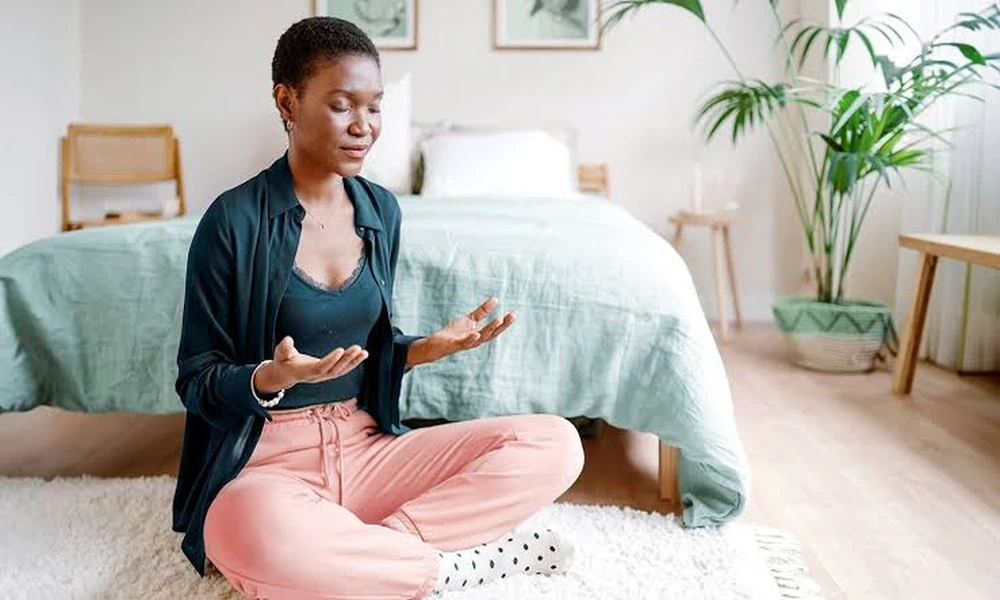
Daily responsibilities, work deadlines, household tasks, and constant notifications can make it difficult to find time to relax. Even when you have a few free minutes, your mind may continue to focus on unfinished tasks or upcoming commitments. Building a simple routine around breathing and music can provide an opportunity to pause, settle your attention, and reconnect with the present moment.
Deep breathing involves paying attention to your breath and allowing it to move comfortably and steadily. Relaxing music can create a pleasant background that makes it easier to set aside distractions. When practised together, these activities can become a convenient part of your morning, afternoon, or evening routine.
You do not need special equipment, extensive preparation, or a separate room to get started. A comfortable chair, a quiet corner, and a few minutes of uninterrupted time may be enough. The key is to choose an approach that feels natural and can be repeated consistently.
Understand the Connection Between Breathing and Music
Breathing and music engage your attention in different ways. Breathing gives you a direct physical sensation to observe, while music provides sounds, rhythms, and melodies that can help create a comfortable atmosphere.
During a breathing exercise, you pay attention to the movement of air as you inhale and exhale. If your thoughts wander, you gently bring your attention back to your breath.
Music can complement this process by reducing the need to fill silence with other activities. Some people prefer instrumental music, while others find nature sounds or soft melodies more comfortable.
However, music does not automatically make breathing exercises more effective. A familiar song may sometimes become distracting, and silence may work better for certain people. Experiment with different options to discover what helps you remain comfortable and attentive.
The goal is to create a simple routine that encourages a short break from everyday demands without adding another complicated task to your schedule.
Choose a Comfortable Time for Your Routine
The best time to practise depends on your schedule and personal preferences. You can combine breathing and music in the morning, during an afternoon break, or before bedtime.
A morning session may help you begin the day with a few moments of quiet before checking messages or starting work. An afternoon session can provide a break between tasks, especially if you have been sitting at a desk for several hours.
An evening routine may help you create a transition between daily responsibilities and rest. If you practise before bed, choose music that feels soothing rather than stimulating.
Try to connect the routine with an existing habit. For example, you might practise after brushing your teeth in the morning or once you finish your evening meal.
Start with five minutes rather than setting an ambitious target. A short routine that fits your lifestyle is easier to maintain than a longer session that regularly gets postponed.
Create a Relaxing Environment
Your surroundings can influence how comfortable the experience feels. Choose a place where you can sit without frequent interruptions from conversations, television, or phone notifications.
You do not need a dedicated meditation room. A bedroom corner, a comfortable chair in the living room, or another quiet area can work well.
Make a few simple adjustments before beginning:
- Choose a comfortable sitting position with your feet supported.
- Reduce unnecessary background noise where possible.
- Put your phone on silent or activate a suitable focus setting.
- Keep the lighting comfortable for the time of day.
- Arrange your headphones or speaker before starting the music.
Avoid spending too much time preparing the environment. The purpose of the routine is to make relaxation accessible, not to create a long list of tasks before you can begin.
If you cannot find a completely quiet location, do not worry. You can still practise by focusing on your breathing and allowing ordinary background sounds to remain in the environment.
Select Music That Supports Relaxation
The music you choose should help you feel comfortable rather than compete for your attention. Instrumental tracks, gentle piano melodies, soft ambient sounds, and recordings of rain or flowing water are common options.
There is no single type of music that works for everyone. Some people enjoy slow melodies, while others prefer familiar acoustic music or simple natural sounds.
Consider these factors when choosing a track:
Tempo: Music with a gentle, steady rhythm may feel less distracting than fast or intense tracks.
Volume: Keep the volume low enough that the sound remains comfortable. Very loud music can become distracting and may harm hearing.
Lyrics: Songs with lyrics may encourage you to follow the words or remember associated experiences. Instrumental music can be a useful alternative if this happens.
Personal preference: Choose music you genuinely enjoy. A track that sounds relaxing to someone else may not have the same effect on you.
Prepare a short playlist in advance so you do not need to search for new tracks during the session. You can also repeat the same piece of music if familiarity helps you settle into the routine.
Practise deep breathing With a Gentle Rhythm
Once you have selected your music and settled into a comfortable position, begin paying attention to your breath.
Keep your shoulders relaxed and allow your breathing to remain natural. Notice the movement of your chest or abdomen as air enters and leaves your body.
After a few ordinary breaths, you can gently make your breathing slower if that feels comfortable. For example, breathe in for a count of three and breathe out for a count of four. Treat these counts as a flexible guide rather than a rule.
You should not strain to take very large breaths or hold your breath for long periods. If counting makes you uncomfortable, abandon the count and return to your usual breathing pattern.
Let the music remain in the background rather than trying to match every breath to each note. You may find that the combination helps you maintain attention, but it is equally acceptable to focus primarily on your breathing.
If you experience dizziness, tingling, breathlessness, or discomfort, stop the exercise and return to normal breathing. The practice should feel gentle rather than forced.
Use Music to Support Mindful Attention
Mindful attention involves noticing what is happening in the present moment without immediately reacting to every thought or sensation.
During your routine, you can alternate your attention between breathing and listening. Begin by observing a few breaths, then notice the melody or other sounds in the music.
Pay attention to the rise and fall of the sound, the spaces between notes, or the way the music changes over time. After a short period, return your attention to your breathing.
You do not need to follow a strict pattern. If listening to the music makes it difficult to concentrate on your breath, choose one as your main focus and allow the other to remain in the background.
Thoughts about work, family, or unfinished responsibilities may appear. Instead of trying to suppress them, acknowledge that your attention has wandered and gently return to the breath or sound.
This practice can help you become more aware of distractions and develop a deliberate way to redirect your attention.
Build a Short Morning Routine
A morning breathing and music routine can provide a quiet starting point before the day becomes busy.
Begin by sitting comfortably for one minute and noticing your breathing. Play a gentle instrumental track and continue breathing at a natural pace.
As you listen, avoid immediately reaching for your phone or reviewing your schedule. Give yourself a few minutes to sit without needing to respond to anything.
You can finish by identifying one practical intention for the day, such as completing an important task, taking regular breaks, or approaching a busy schedule patiently.
Here is a simple five-minute sequence:
- Minute one: Sit comfortably and settle into your position.
- Minutes two and three: Observe your breathing while listening to the music.
- Minute four: Continue breathing naturally and pay attention to the sounds around you.
- Minute five: Sit quietly, then prepare to begin your day.
This is only a suggested structure. You can shorten or extend each stage according to your preferences.
Take a Relaxation Break During the Day
You do not have to wait until morning or evening to use breathing and music together. A short break during the day can help you step away from continuous screen time or repetitive tasks.
Choose a convenient moment between meetings, after finishing a piece of work, or during a lunch break. If possible, move away from your screen and sit somewhere comfortable.
Play a short track at a low volume. Let your shoulders relax and take a few comfortable breaths without trying to achieve a particular result.
If you have only two or three minutes, that is enough to practise pausing and noticing your breathing. You do not need to complete a full meditation session every time.
At work, use headphones only when appropriate and remain aware of workplace safety requirements and important announcements.
Over time, these short pauses can become a practical way to introduce moments of quiet into a demanding schedule.
Create an Evening Routine for Unwinding
The transition from daytime responsibilities to evening rest can be difficult when you continue thinking about unfinished work or upcoming plans.
A short evening routine may help you establish a clearer boundary between activity and rest. Choose a comfortable place, dim the lights if you prefer, and play music at a gentle volume.
Begin with normal breathing and allow your attention to settle. If comfortable, let your exhalations become slightly longer than your inhalations without forcing the change.
Notice the music, your posture, and the sensation of sitting in the chair. When thoughts appear, acknowledge them and return to the sounds or your breath.
You may prefer to stop using screens during this time, particularly if notifications tend to interrupt your attention. Preparing the music in advance can make this easier.
The purpose is to create a consistent opportunity to unwind, not to guarantee sleep or eliminate every concern. If a particular breathing pattern causes discomfort, return to natural breathing.
Make the Routine Sustainable
A useful daily routine should be simple enough to continue even when your schedule changes. Begin with a manageable duration and adjust it according to your experience.
Keep a short playlist ready, use the same comfortable location when convenient, and connect the practice with an existing daily activity.
You can also review the routine occasionally. If the music becomes distracting, try a different style or practise in silence. If counting breaths creates pressure, stop counting and observe your natural breathing instead.
Avoid judging the session based on whether you feel completely calm afterward. Some days may feel easier than others, and external circumstances can affect your experience.
Consistency matters more than creating an ideal atmosphere or completing a specific number of minutes. Even a brief pause can provide an opportunity to notice your breathing and temporarily step back from ongoing activities.
If you have a respiratory or cardiovascular condition, experience unexplained breathing difficulties, or feel unwell during breathing exercises, seek appropriate medical advice before continuing a structured practice.
Conclusion
Combining breathing exercises with music is a straightforward way to introduce moments of relaxation into everyday life. By selecting suitable music, sitting comfortably, breathing naturally, and giving yourself a few uninterrupted minutes, you can create a routine that fits your schedule.
Start with five minutes a day and experiment with morning, afternoon, or evening sessions. Keep the music gentle, avoid forcing your breathing, and choose the approach that feels most comfortable.
With regular practice, relaxing music can become a useful part of your personal routine, providing a familiar background for quiet reflection and mindful breathing. The most important thing is to keep the process simple, flexible, and easy to maintain.
Frequently Asked Questions
1. How long should I combine breathing exercises with music?
Beginners can start with five minutes per session. You can gradually increase the duration if you find the practice comfortable, but longer sessions are not necessary to establish a routine.
2. What type of music is best for breathing exercises?
Soft instrumental music, gentle piano melodies, ambient sounds, and nature recordings are common choices. Select music that you find comfortable and that does not distract you from your breathing.
3. Is it better to practise in the morning or at night?
Either time can work. Morning practice may provide a quiet start to the day, while evening practice may help you transition away from daily responsibilities. Choose a time that suits your schedule.
4. Should I match my breathing to the rhythm of the music?
You can try coordinating your breathing with a gentle musical rhythm if it feels natural. However, you do not need to match every breath to the music. Keep your breathing comfortable and avoid forcing a particular pace.
5. Can I practise deep breathing and relaxing music while working?
Yes, you can take a short break to listen to quiet music and observe your breathing, provided your work environment allows it. Avoid using headphones or closing your eyes when doing so would compromise your safety or attention to essential tasks.
