

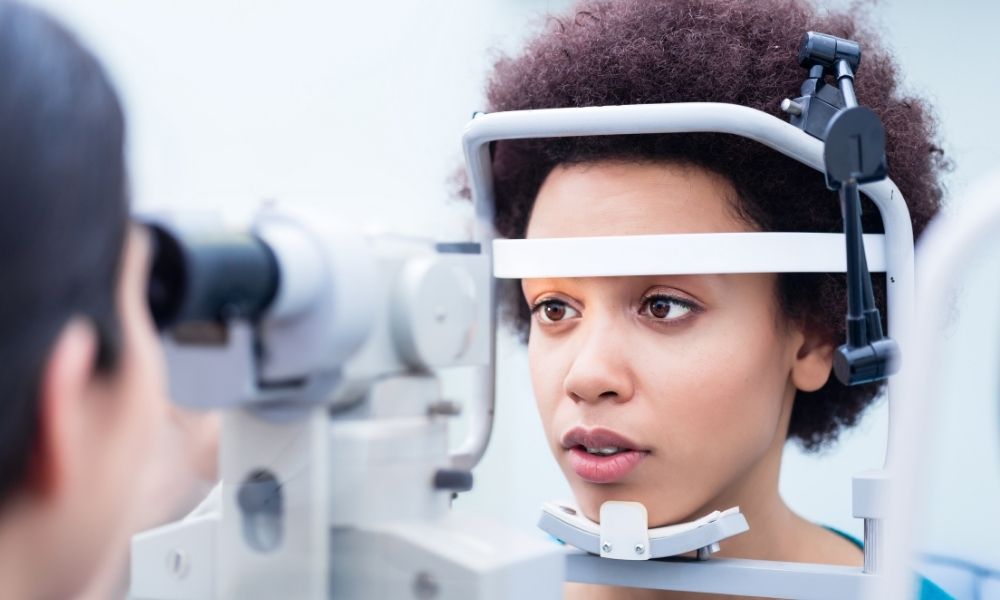
A child’s ability to learn is closely tied to how well they see, yet vision issues are often overlooked when academic challenges arise. Many parents assume that difficulty reading, concentrating, or keeping up in class is related to attention or learning style, when an eye exam may reveal an underlying visual issue instead. Because children rarely recognize or articulate vision problems on their own, these challenges can persist unnoticed during critical learning years. Routine eye exams play an essential role in identifying vision barriers early, supporting stronger academic performance, confidence, and long-term educational development.
Why Vision Is Fundamental to Learning
A significant portion of classroom learning depends on visual input. Reading, writing, copying from the board, using digital devices, and participating in group activities all rely on clear, comfortable vision. When visual information is unclear or difficult to process, children must work harder just to keep up, leaving less mental energy for understanding and retaining information. Over time, this extra effort can lead to frustration, fatigue, and reduced academic engagement.
Vision problems do not always mean poor eyesight in the traditional sense. Difficulties with focusing, eye tracking, or coordination between the eyes can disrupt reading fluency and comprehension. These issues may cause children to lose their place, reverse letters, or struggle with sustained attention. Without detection, these challenges can be misinterpreted as behavioural or cognitive concerns, delaying appropriate support.
Common Vision Problems That Affect School Performance
Several vision issues commonly interfere with learning. Refractive errors, such as farsightedness or astigmatism, can make near work uncomfortable, even if distance vision appears fine. Focusing disorders may cause blurred vision during reading or screen use, leading to headaches or avoidance of schoolwork. Eye coordination issues can affect depth perception and reading efficiency, making tasks feel overwhelming.
These problems often fluctuate, which makes them difficult to identify without proper assessment. A child may perform well one day and struggle the next, depending on fatigue or task demands. Because symptoms vary, teachers and parents may not immediately connect academic inconsistency to vision. Comprehensive eye exams evaluate these functional aspects of vision, not just clarity, making early diagnosis possible.
Signs Teachers and Parents May Notice
Early warning signs of vision-related learning issues often appear as behavioural changes. Children may avoid reading, rush through assignments, or become frustrated during homework. Complaints of headaches, tired eyes, or blurry text later in the day can indicate visual fatigue. Some children may appear inattentive, restless, or disruptive, particularly during close-up tasks.
Physical cues also provide valuable insight. Sitting very close to books or screens, tilting the head, covering one eye, or excessive blinking may suggest vision strain or coordination issues. In the classroom, difficulty copying from the board or frequent loss of place while reading can signal a visual barrier. Recognizing these patterns early helps connect behaviour to vision rather than discipline or motivation.
How Eye Exams Identify Hidden Learning Barriers
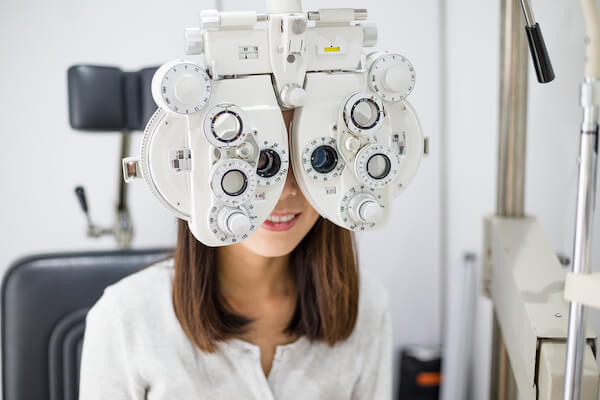
Routine eye exams assess far more than visual sharpness. They evaluate how well the eyes focus, work together, and track moving objects. These functional abilities are critical for reading, writing, and sustained classroom attention. By identifying issues such as convergence insufficiency or accommodative dysfunction, eye exams uncover learning barriers that standard vision screenings often miss.
Early detection allows for timely intervention, which may include glasses, vision therapy, or specific visual strategies. When vision barriers are addressed, children often show noticeable improvements in reading speed, comprehension, and classroom participation. Addressing vision early prevents unnecessary academic struggles and reduces the risk of declining confidence during formative years.
The Link Between Vision, Confidence, and Classroom Behaviour
Academic challenges linked to vision often affect more than grades. Children who struggle to see clearly may feel discouraged or embarrassed, especially if they fall behind their peers. This emotional impact can lead to withdrawal, anxiety, or behavioural issues. When children cannot articulate the source of their difficulty, frustration may show up as avoidance or resistance to learning.
Clear, comfortable vision supports confidence and independence. Children who can see well are more likely to participate, ask questions, and engage with material. Correcting vision problems often leads to improved self-esteem because tasks feel manageable rather than overwhelming. Supporting visual health helps create positive learning experiences that extend beyond academics.
Why Screen Use Makes Early Eye Exams Even More Important
Modern classrooms rely heavily on digital devices, increasing visual demands on young eyes. Extended screen use requires sustained near focus, which can expose focusing or coordination issues more quickly. Children with uncorrected vision problems may experience eye strain, headaches, or reduced attention during screen-based learning, even if distance vision appears normal.
Routine eye exams help determine whether screen use is contributing to discomfort or visual fatigue. Identifying these issues early allows adjustments that support healthier learning environments. As digital tools become more central to education, proactive vision care becomes essential for academic readiness and comfort.
When Should Children Have Eye Exams
Vision assessments should begin early and continue regularly throughout childhood. Eye exams before starting school help establish a visual baseline and identify issues before academic demands increase. Additional exams during key growth and learning stages ensure that changes in vision are detected promptly.
Children may require more frequent exams if they display symptoms, struggle academically, or experience rapid growth. Vision can change quickly during childhood, and early detection supports smoother transitions through each educational stage. Consistent monitoring ensures that vision supports learning rather than limits it.
Supporting Learning Through Proactive Vision Care
Eye exams are a critical part of a child’s overall educational support system. When vision issues are identified and addressed early, children are better equipped to succeed academically and socially. Clear vision supports concentration, comprehension, and confidence in the classroom.
Proactive vision care reduces the likelihood of misdiagnosis, unnecessary stress, and academic frustration. By prioritizing regular eye exams, parents and educators help remove hidden barriers to learning and create an environment where children can thrive. Strong academic foundations are built not just on effort and instruction, but on the ability to see clearly — and early detection makes all the difference.
