

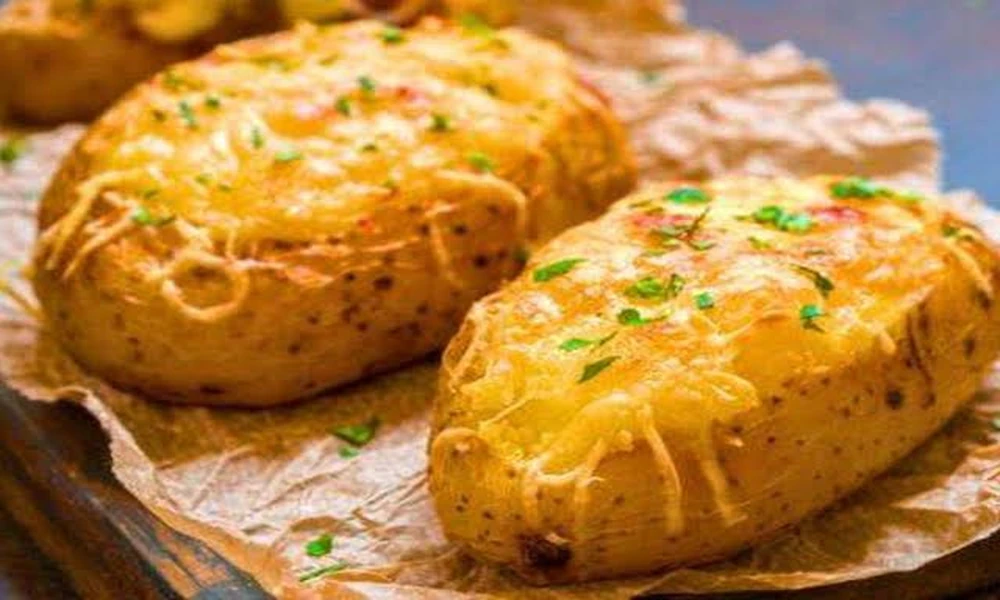
When made correctly, a baked potato is one of those basic dishes that can be unexpectedly fulfilling. It is appropriate for lunch, supper, or a fast snack because of the contrast between the flavourful toppings and the soft inside. Similar comfort food appeal may be achieved much more quickly by utilising a microwave than by baking in a conventional oven, which can take a long time.
It takes more than just placing a potato in the microwave and watching it cook to make a delicious microwave baked potato. The final texture is influenced by the kind of potato, preparation, cooking duration, moisture content, and resting time. An average potato may be transformed into something soft, fluffy, and tasty by being aware of these aspects.
Selecting The Proper Potato
The potato itself sets the tone for the final dish’s texture. Because their innards become light and fluffy when cooked, potatoes with a greater starch content are often more suited for baking. After cooking, their starchy, somewhat dry meat separates readily rather than staying thick.
Size is important as well. In a microwave, medium potatoes are often simpler to cook uniformly. Large potatoes could need more cooking time, which increases the risk that the core would be undercooked while certain parts dry out.
Choosing potatoes that are around the same size can help them cook at nearly the same time when cooking many potatoes at once.
It Makes A Difference To Prepare
Wash the potato well to get rid of any dirt on its skin before cooking. After that, drying it aids in getting the outside ready for cooking. Because it gives the soft inside structure and protection, the skin may be kept on.
Another crucial preparatory step is to pierce the potato many times with a fork. When potatoes are heated, steam forms inside them because they contain moisture. During cooking, this steam has a place to escape thanks to tiny holes.
Before cooking, some people season the skin or give the exterior a quick oil massage. Although microwave cooking often doesn’t result in the same crisp skin as oven baking, this may add flavour.
Cooking Time Is Crucial
Cooking time is one of the main variables influencing texture. While overcooking might lose too much moisture and result in a dry or rough potato, undercooking can keep the potato firm in the middle.
The size of the potato and the microwave’s power determine how long a microwave baked potato takes. Check the potato as it gets closer to the anticipated completion point rather than depending only on a set cooking time.
Another approach to promote more even heating is to turn it over halfway through cooking. When the potato is cooked, a fork or knife should be able to easily reach the middle without running into any hard spots.
Moisture Makes The Interior Softer
When potatoes cook, the water they naturally contain transforms into steam. The softening of the flesh is greatly aided by this internal steam. Thus, controlling moisture contributes to the ideal texture.
When food is overcooked, too much moisture may escape, making the inside less appetising. This is one of the reasons it’s good to inspect the potato toward the end of cooking. Cooking it till it’s soft without going overboard is the aim.
Don’t Miss Your Rest Period
When the microwave stops, the potato keeps cooking for a little while. Giving it a few minutes to rest allows the heat within to disperse more evenly. This might enhance the general uniformity and soften any slightly stiffer spots.
Hot steam may escape if you open or chop the potato right away after cooking.
After the potato has rested, cut it open and use a fork to gently fluff the inside. This produces the light feel of a well-baked potato and separates the cooked meat.
The Experience Is Completed With Toppings
A baked potato’s texture is only one aspect of its appeal. A basic potato may be made into a filling dinner with toppings. Additional flavour and variation may be added with butter, cheese, herbs, sour cream, veggies, beans, or other chosen ingredients.
Add toppings while the potato is still hot for optimal results. Herbs and spices spread more readily through the heated potato, and butter and cheese may melt into the newly fluffed centre.
A Basic Dish With Lots Of Possibilities
Choosing the right potato, preparing it correctly, regulating the cooking time, retaining moisture, and letting it rest before serving are the key components of a superb microwave baked potato. Although none of these actions is difficult, when combined, they may have a significant impact.
In a fraction of the time needed for traditional baking, a simple potato may be transformed into a warm, fluffy, and delightful meal in the microwave with proper preparation and the appropriate toppings.
