

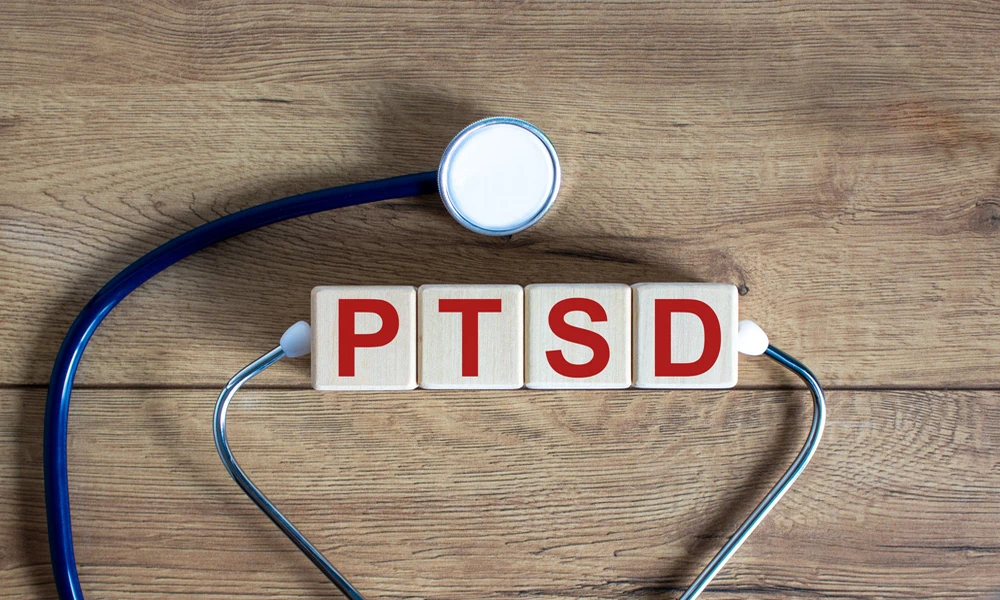
Trauma affects people in vastly different ways, and for a significant number of individuals who experience or witness a deeply distressing event, the psychological effects do not fade with time on their own. Post-traumatic stress disorder, commonly known as PTSD, can develop after combat exposure, serious accidents, natural disasters, assault, or any event perceived as life-threatening. Understanding how PTSD presents, how it is diagnosed, and what treatment options are available can help those affected, along with their families and care providers, recognize the condition and pursue effective help.
What PTSD Is
PTSD is a mental health condition triggered by experiencing or witnessing a traumatic event. While many people experience temporary stress reactions after trauma, PTSD is diagnosed when symptoms persist for more than a month and significantly interfere with daily functioning, relationships, or work. It can develop immediately after a traumatic event or emerge months or even years later, sometimes triggered by a seemingly unrelated reminder of the original trauma.
Common Causes and Risk Factors
PTSD can result from a wide range of experiences, including combat exposure, physical or sexual assault, serious accidents, natural disasters, childhood abuse, and witnessing violence or death. Not everyone exposed to trauma develops PTSD, and researchers have identified several factors that increase risk, including the severity and duration of the trauma, lack of social support afterward, a personal or family history of mental illness, and prior exposure to trauma, particularly during childhood. Biological factors, including differences in how the brain processes fear and stress responses, also appear to play a role in who develops the condition.
Recognizing the Symptoms
PTSD symptoms generally fall into four categories. Intrusive memories include flashbacks, nightmares, and distressing recollections of the traumatic event that can feel as vivid as the original experience. Avoidance involves steering clear of places, people, conversations, or activities that serve as reminders of the trauma. Negative changes in thinking and mood can include persistent guilt, shame, hopelessness, memory problems related to the event, and feeling emotionally detached from others. Finally, changes in physical and emotional reactions, often described as hyperarousal, include being easily startled, feeling constantly on edge, difficulty sleeping, irritability, and angry outbursts. These symptoms can fluctuate in intensity and are sometimes triggered by specific sights, sounds, or anniversaries connected to the trauma.
How PTSD Is Diagnosed
Diagnosis is typically made by a mental health professional through a thorough clinical interview, often supported by standardized assessment tools designed to evaluate trauma history and symptom severity. According to diagnostic criteria, a PTSD diagnosis generally requires exposure to a traumatic event along with the presence of symptoms across each of the four categories described above, persisting for at least one month and causing meaningful distress or impairment in daily life. Clinicians also work to rule out other conditions that can present similarly, such as depression, anxiety disorders, or substance use disorders, since these conditions frequently co-occur with PTSD and can complicate the clinical picture.
Treatment Options That Work
PTSD is treatable, and most individuals see meaningful improvement with appropriate care. Trauma-focused psychotherapy is generally considered the most effective first-line treatment. Cognitive behavioral therapy helps patients identify and reframe unhelpful thought patterns related to the trauma, while cognitive processing therapy and prolonged exposure therapy specifically target trauma-related memories and avoidance behaviors in a structured, gradual way. Eye movement desensitization and reprocessing, often referred to by its abbreviation, uses guided eye movements alongside recall of traumatic memories to help the brain reprocess distressing experiences.
Medications, particularly certain antidepressants, are also commonly used, either alone or alongside therapy, to help manage symptoms such as depression, anxiety, and sleep disturbances associated with PTSD. In many cases, a combination of medication and psychotherapy produces better outcomes than either approach used in isolation. Additional supportive measures, including group therapy, family involvement, and stress management techniques such as mindfulness, can further support recovery.
Supporting Someone With PTSD
For family members, friends, and colleagues supporting someone with PTSD, patience and understanding go a long way. Avoiding pressure to “move on” or minimize the trauma, learning about common triggers, and encouraging professional treatment without judgment can make a significant difference. Recognizing that recovery is rarely linear, with good days and difficult ones, helps set realistic expectations for both the individual and their support system.
Why Clinical Understanding of PTSD Continues to Evolve
As research into trauma and the brain continues to advance, treatment approaches for PTSD have become increasingly refined and effective. Professionals working with trauma survivors, whether in healthcare, social work, or emergency response, benefit from staying current through structured education, such as a focused review of PTSD diagnosis and treatment options, which covers diagnostic criteria and evidence-based interventions in greater depth.
Final Thoughts
PTSD is a serious but treatable condition that can affect anyone who has lived through trauma, regardless of background or circumstance. With accurate diagnosis, evidence-based treatment, and a strong support network, many individuals find substantial relief from symptoms and are able to reclaim a sense of safety and normalcy in their daily lives. Recognizing the signs early and seeking appropriate care remains the most important step toward recovery. Healthcare professionals working with trauma survivors can deepen their clinical competency and fulfill continuing education requirements by pursuing nursing CEUs in trauma-informed care and PTSD treatment, ensuring that their professional development directly supports the populations they serve.
