

Key Takeaways
- Normalising conversations about reproductive health reduces anxiety and stigma.
- Regular check-ups at an OBGYN clinic are essential for early detection of issues.
- A gynaecologist provides a safe, confidential space for sensitive concerns.
- Understanding what happens during a visit can help demystify the process.
Introduction
Let’s be honest for a moment. Very few people wake up and think, “I am really looking forward to my smear test today!” For many women, a visit to the gynaecologist in Singapore is something to be endured, postponed, or avoided altogether. There is a lingering cloud of embarrassment and stigma surrounding intimate health that we just haven’t quite managed to shake off. Whether it’s the clinical nature of the exam or the vulnerability of the position, the anxiety is real. But why is it that we can talk about our heart health or our dental hygiene without a second thought, yet whisper when it comes to our reproductive organs?
The truth is that your gynaecological health is a fundamental pillar of your overall well-being. It isn’t just about pregnancy or contraception; it’s about hormone balance, cancer prevention, and quality of life. An OBGYN clinic is not a place for judgement-it is a place for science, care, and empowerment. By removing the stigma and talking openly about these visits, we can ensure that more women feel comfortable seeking the care they need. It’s time to move past the awkwardness and recognise these appointments for what they are: an essential act of self-care.
The Power of Normalisation
Stigma thrives in silence. When we don’t talk about our experiences at the gynaecologist, we allow myths and fears to fill the gap. You know what? Almost every woman feels a bit nervous before an appointment. By sharing this, we realise we aren’t alone. Normalising these conversations means talking to our friends, our sisters, and our daughters about why these check-ups matter. It’s about treating the vagina and uterus with the same medical matter-of-factness as we do the lungs or the liver.
When you walk into an OBGYN clinic, you are entering a space where nothing you say is “weird” or “gross.” Doctors have seen and heard it all. Whether you are worried about an unusual discharge, painful periods, or low libido, these are valid medical concerns. The more we speak up, the more we dismantle the idea that these topics are “taboo.” Open communication with your doctor leads to better diagnoses and more effective treatments. It’s about taking ownership of your body without shame.
What to Actually Expect During a Visit
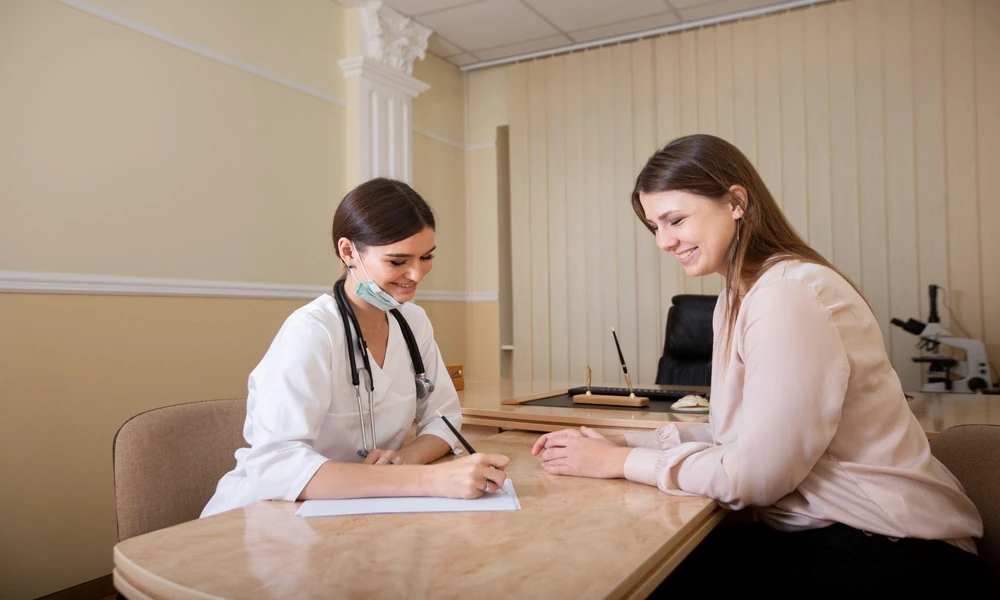
Much of the fear surrounding the gynaecologist comes from the unknown. If you haven’t been in a while, or if it’s your first time, the equipment and the procedures can seem intimidating. A standard visit usually begins with a conversation. The doctor will ask about your cycle, your lifestyle, and any symptoms you might have. This is a dialogue, not an interrogation. It’s your chance to ask all those questions you’ve been Googling at 2 AM.
The physical exam is typically very quick. Whether it’s a pelvic exam or a Pap smear, the goal of the obgyn clinic staff is to make you as comfortable as possible. They will explain each step before it happens. You might feel a bit of pressure, but it shouldn’t be painful. Understanding that these few minutes of discomfort can prevent years of health issues puts things into perspective. It is a small price to pay for the peace of mind that comes with a clean bill of health or an early, manageable diagnosis.
The Role of Technology and Modern Care
Modern gynaecology has come a long way. Today’s gynaecologist has access to advanced ultrasound technology, minimally invasive surgical techniques, and a much deeper understanding of hormonal health. Many clinics now offer a more holistic approach, recognising that stress, diet, and lifestyle all play a role in reproductive health. It’s no longer just about the “exam”; it’s about a comprehensive view of your health as a woman.
In a professional OBGYN clinic, the focus is also on patient autonomy. You have the right to ask for a female doctor if that makes you more comfortable. You have the right to have a chaperone in the room. You have the right to stop the exam at any time. Knowing these rights can significantly lower the barrier of anxiety. When you feel in control of the situation, the stigma begins to fade. You aren’t just a patient; you are an active participant in your own healthcare journey.
Beyond the Exam: Mental and Emotional Support
We often forget that gynaecological issues can have a massive impact on our mental health. Conditions like endometriosis or PCOS aren’t just physical; they affect our mood, our energy, and our self-esteem. A good gynaecologist understands this connection. They are there to support you through the emotional toll of fertility struggles, the transition into menopause, or the complexities of sexual health. It is a partnership that spans many stages of life.
By visiting an OBGYN clinic regularly, you build a relationship with a provider who knows your history. This continuity of care is vital. They can spot subtle changes over the years that a random clinic might miss. This relationship is built on trust and mutual respect, which is the ultimate antidote to stigma. When you see your doctor as a trusted ally rather than a source of embarrassment, you are much more likely to prioritise your health and seek help when something feels “off.”
Conclusion
Breaking the stigma of gynaecological visits is a vital step toward better health for all women. By choosing to speak openly, educating ourselves on the process, and finding a supportive OBGYN clinic, we reclaim our power. Your health is worth more than a moment of awkwardness. Regular check-ups are the best way to ensure a long, healthy, and vibrant life. If you are looking for compassionate and professional care, Foundation Healthcare is here to support you. Get to know more about us before you book your appointment.
