

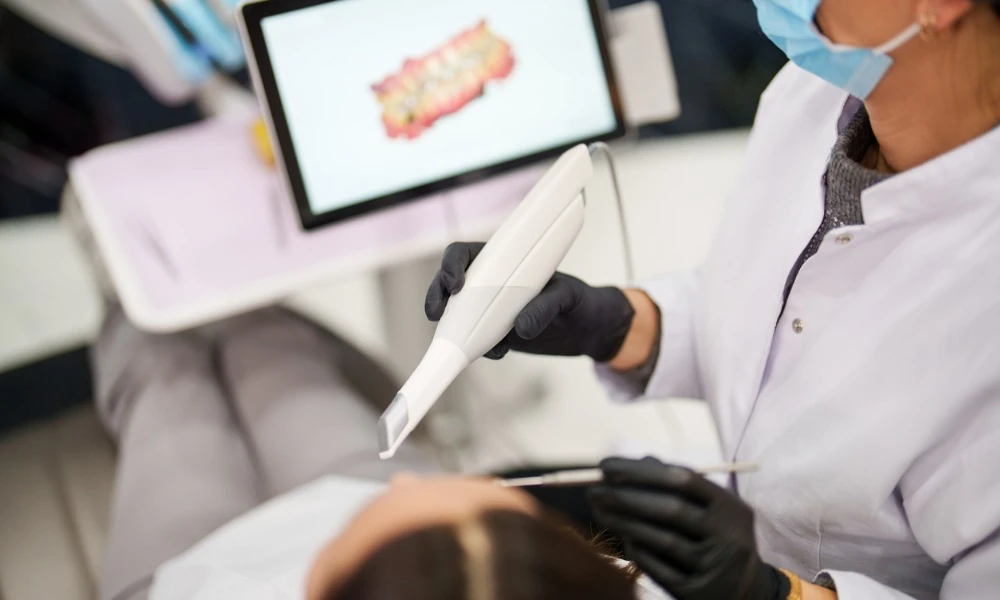
Full smile correction spans multiple clinical phases that must be completed in sequence before the final aesthetic result is achievable. Duration is determined by how many procedures are involved and whether structural concerns precede cosmetic work. Most adults presenting for smile correction have more than one concern. Spacing, discolouration, uneven gum lines, and bite irregularities rarely appear in isolation. There is a cool way to improve consultation efficiency by listing every aesthetic concern before the first appointment. This is rather than raising issues gradually across separate visits.
When the full picture is visible early, procedure sequencing avoids rework and keeps the total timeline as controlled as the case allows. Where no orthodontic work is needed, some cases finish within four to six weeks. Others run considerably longer depending on clinical findings during examination. Orthodontic correction alone runs between six and eighteen months, and no cosmetic surface work begins until tooth positions have fully stabilised after movement ends.
Phases extending treatment duration
Certain clinical conditions introduce mandatory phases before cosmetic procedures can begin. Each condition identified during examination adjusts the overall sequence and duration from the planning stage onward.
Active gum disease requires full periodontal treatment and confirmed healing before any cosmetic procedure proceeds. Crowns and veneers often require grafting and healing phases before prosthetic work can begin. Whitening or bonding cannot proceed safely with enamel defects. Each of these conditions is identified during initial examination, and their presence adjusts the treatment sequence from the planning stage onward.
Implant placement adds the longest surgical phase. Bone response and osseointegration progress determine when restorative work follows, typically adding three to six months to the overall plan, depending on individual healing response.
Procedure sequencing logic
Clinical sequencing follows a fixed order where structural stability must precede surface cosmetic work. Each phase creates the conditions on which the next phase depends, making reordering clinically counterproductive regardless of patient preference.
Periodontal treatment opens the sequence when gum disease is present, followed by orthodontic movement once gum health stabilises. Extractions or implants are managed during or after the orthodontic phase, depending on arch space requirements. After teeth are positioned and before veneer shades are selected, whitening takes place after veneer fabrication. Following structural healing, veneers, crowns, and bonding complete the process.
Realistic finish timelines
Completion timelines vary considerably based on case complexity and clinical phases. Single-procedure cosmetic cases finish fastest while multi-phase surgery cases extend considerably further.
- Whitening or composite bonding alone can be completed within four to eight weeks when no structural concerns are present.
- Moderate cases combining alignment correction with two or three cosmetic procedures typically finish between nine and fourteen months.
- Orthodontics, implants, and full surface restorations take 18-24 months, depending on healing.
During orthodontic preparation, movement progress is disrupted if an orthodontic appointment is missed, healing complications occur after surgery, and unexpected clinical findings are observed during the consultation which were not noticed at the first orthodontic appointment. Attending all scheduled reviews and following post-procedure care between visits consistently results in patients finishing close to the plan deadline.
