

Key Takeaways:
- HDL acts as a protective “scavenger,” removing excess cholesterol from your arteries.
- Healthy fats found in fish, nuts, and oils are the best foods that increase HDL.
- Soluble fibre from oats and beans helps improve your overall lipid profile and health.
- Small, consistent dietary changes are more effective than radical, short-term diets.
Introduction
When we talk about cholesterol, the conversation usually focuses on what we need to lower. We hear a lot about “bad” cholesterol (LDL) and the risks it poses to our hearts. However, there is a “good” guy in this story: High-Density Lipoprotein, or HDL. Think of HDL as the “vacuum cleaner” of your bloodstream. It travels around, picking up excess cholesterol and taking it back to the liver to be processed and removed from the body. Having higher levels of HDL is a great way to protect yourself against various heart conditions. The best part? You do not need to go on a restrictive, joyless diet to boost these levels. By making a few smart swaps and adding some delicious, nutrient-dense foods to your plate, you can sustainably support your heart health. Let’s look at how small changes lead to big results for your heart.
The Power of Healthy Fats
For a long time, we were told that all fat was bad for the heart. Thankfully, science has moved on from that simplistic view. We now know that “good” fats-specifically monounsaturated and polyunsaturated fats-are some of the most effective foods that increase HDL. Olive oil is a shining example of this. It contains a heart-healthy compound called oleic acid that can raise HDL levels while lowering the inflammatory impact of LDL. Try drizzling a little extra virgin olive oil over your vegetables or using it as a base for salad dressings. It is a simple change that adds a lot of flavour.
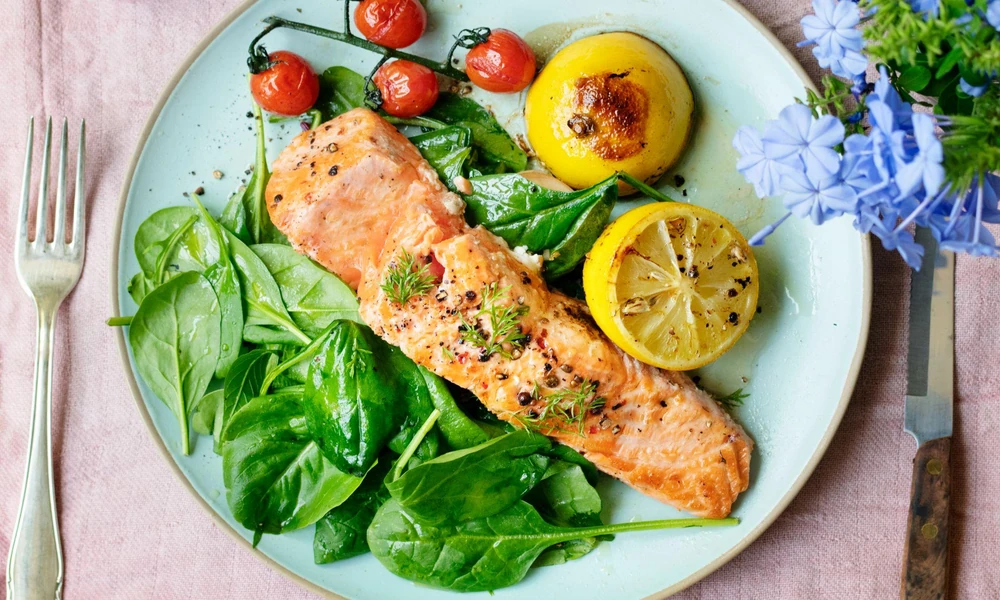
Fatty fish, such as salmon, mackerel, and sardines, are another powerhouse for your heart. They are loaded with omega-3 fatty acids, which are known to reduce inflammation and support healthy cholesterol levels. If you aren’t a fan of fish, do not worry! You can get similar benefits from plant-based sources like walnuts, flaxseeds, and chia seeds. These make great snacks or additions to your morning yoghurt. The key is to replace “trans fats” (often found in processed snacks and fried foods) with these healthier options. You aren’t necessarily eating more fat; you are just eating better fat for your cardiovascular system.
Fibre: The Unsung Hero of Heart Health
When we think of heart health, we often think of the gym or the pharmacy, but the humble oat might be just as important. Oats and barley are rich in a type of soluble fibre called beta-glucan. This fibre does not just help with digestion; it actually interferes with the absorption of cholesterol into your bloodstream. While its primary role is often lowering LDL, improving your overall “lipid profile” through high-fibre foods helps your HDL work more efficiently. Honestly, a warm bowl of porridge in the morning is one of the kindest things you can do for your arteries and long-term health.
Beans, lentils, and chickpeas are also fantastic sources of soluble fibre. They are incredibly versatile and can be added to soups, salads, or stews. Because they are slowly digested, they also help keep your blood sugar stable, which is a nice bonus for preventing other metabolic issues. Adding more plant-based proteins to your diet is a proven way to reduce the risk of chronic heart conditions. You do not have to become a vegetarian overnight. Just try having one or two “meatless” days a week. It is a small adjustment that can lead to significant improvements in your blood work and energy.
The Role of Vibrant Fruits and Vegetables
The more colour you have on your plate, the better it is for your heart. Many colourful fruits and vegetables contain antioxidants and phytochemicals that support vascular health. Purple-hued foods, like blueberries, raspberries, and eggplant, are particularly interesting. They contain anthocyanins, which some studies suggest may help raise HDL levels. Plus, they are packed with vitamins and minerals that keep your blood vessels flexible. It is much easier to stick to a diet when it involves eating delicious, fresh berries rather than just avoiding everything you love at the dinner table.
Avocados are another “superfood” for your heart. They are unique because they are a fruit that is high in healthy monounsaturated fats. They help raise HDL and lower LDL, making them a dual-action hero for your cardiovascular system. Whether you like them on toast, in a smoothie, or as part of a salad, avocados are a creamy, satisfying way to boost your nutrition without reaching for butter or mayo. By focusing on adding these “crowd-pleaser” foods to your diet, you won’t feel like you are missing out on anything. You are simply giving your body the high-quality fuel it needs.
Sustainability Over Perfection
The biggest mistake people make when trying to improve their health is trying to be “perfect” from day one. They cut out all sugar, all carbs, and all salt, only to give up two weeks later because it is too hard and lonely. A better approach is to focus on “crowding out” the less healthy stuff with the good stuff. Instead of saying “I can never eat a burger again,” try saying “I’m going to have a side salad and some walnuts with my meal today.” Over time, these small choices become habits. And habits are what actually lead to long-term changes in your risk of heart conditions.
Exercise also plays a massive role in this equation. While we have focused on foods that increase HDL, physical activity is one of the few things that can directly boost your “good” cholesterol levels. Aim for at least 30 minutes of moderate activity, like a brisk walk, most days of the week. When you combine a heart-healthy diet with regular movement, you are giving your heart the best possible protection. You know what? It feels good to take control of your health. It is a gift you give to yourself every single day. By making these manageable changes, you are ensuring a more vibrant future.
Conclusion
Improving your heart health does not have to be a daunting task that takes over your life. By incorporating foods that increase HDL-like olive oil, fatty fish, oats, and colourful produce-you can make a real difference in your lipid levels. These changes do not just protect you from various heart conditions; they also improve your energy and overall well-being. Remember, it is about progress, not perfection. Start small, stay consistent, and enjoy the delicious journey toward a healthier heart. Contact Singapore Heart Foundation today if you want to learn more about protecting your cardiovascular health or want to support heart-related causes.
