

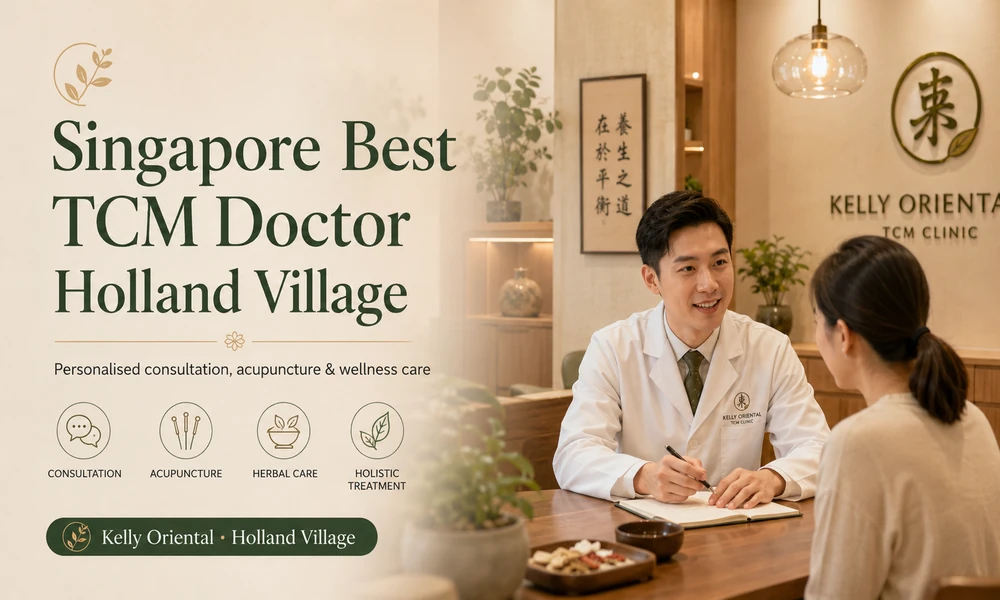
Choosing a Traditional Chinese Medicine practitioner is a personal decision because the quality of the consultation shapes the entire treatment experience. People searching for Singapore Best TCM doctor Holland Village are usually looking for someone who will listen carefully, explain options clearly and work within Singapore’s professional TCM framework. For residents and professionals around Holland Village, location is another practical factor because repeat visits are easier when the clinic fits naturally into daily routines.
Kelly Oriental operates in Holland Village and offers TCM consultations, acupuncture and customised Chinese medication alongside traditional bodywork and massage. Instead of trying to identify one practitioner who is “best” for everyone, it is more useful to know the qualities that make a TCM doctor a good fit for your own needs.
A Good TCM Doctor Starts With the Individual
Traditional Chinese Medicine generally places importance on the individual’s overall pattern rather than looking only at one isolated complaint. A practitioner may therefore ask questions about the history of the concern, sleep, appetite, energy, digestion, work routine, stress, activity and other factors. These questions provide context and can help determine whether a particular TCM approach is worth discussing.
You do not need to arrive with a diagnosis or decide your own treatment before the appointment. A first consultation is the right time to explain what you have been experiencing and ask what the practitioner thinks is relevant. This is especially important for people who have never tried TCM and may not know the difference between acupuncture, Tuina, herbal medicine or other treatment options.
Check Professional Registration in Singapore
Singapore regulates the practice of TCM. The Ministry of Health Health Professionals Portal states that anyone who wishes to practise TCM in Singapore must be registered with the Traditional Chinese Medicine Practitioners Board and hold a valid practising certificate. This gives patients an objective factor to consider when deciding where to seek TCM care.
The TCM Practitioners Board register identifies categories of registered practitioners, including TCM physicians and acupuncturists. Professional registration does not tell you whether a practitioner’s communication style will suit you, but it is an important foundation. Once that is established, you can focus on the quality of consultation, clarity of explanation and whether the treatment plan makes sense for your situation.
Different Types of TCM Consultations
Not every case requires the same length or depth of consultation. Kelly Oriental’s TCM service menu lists standard, complex, special and tele-consultation formats. The availability of different formats can be useful because a straightforward wellness discussion may not require the same appointment structure as a more complicated history.
When booking, briefly describe the main reason for your visit and ask which consultation type is appropriate. This helps avoid choosing a treatment purely from a menu without first establishing whether it suits you. A clear booking process can also make the first visit less intimidating for someone who is unfamiliar with TCM.
Communication Is One of the Best Indicators
A good TCM doctor should be able to explain what they are considering in language you can understand. You should feel comfortable asking why acupuncture is being recommended, what a herbal prescription is intended to do, how long a treatment session will take and when progress will be reviewed. Complicated terminology is not a substitute for clear communication.
Pay attention to whether the practitioner listens when you mention discomfort, previous treatment or concerns about pressure and needles. You should also be able to say that you want time to think before committing to multiple sessions. Good healthcare communication gives the patient enough information to make an informed choice rather than creating pressure to accept a large treatment package immediately.
Be Open About Medical History and Medication
Tell the practitioner about relevant diagnoses, prescription medicines, supplements, allergies, pregnancy, recent procedures, past injuries and other treatment you are receiving. Information that seems unrelated to your main complaint may still affect whether a certain TCM approach is appropriate.
This is particularly important when herbs or acupuncture are being considered. Singapore’s HealthHub information on Chinese proprietary medicine encourages informed use of products within the TCM system. If herbal products are recommended, ask what they contain, how they should be taken, how long you are expected to use them and whether there are known reasons to avoid combining them with other medicines.
Understanding an Acupuncture Recommendation
Acupuncture is one of the services most closely associated with TCM, but people often have questions before trying it. A practitioner should be able to explain the purpose of the session, where needles are likely to be placed, how long treatment takes and what sensations may occur. They should also ask about relevant health information before proceeding.
Kelly Oriental lists standard acupuncture, multiple-area acupuncture and specialised programmes. The important point is not the number of available options; it is whether the practitioner can explain why a particular approach is relevant to you. If you are nervous about needles, say so. A good practitioner should take your comfort into account and explain what to expect without dismissing your concerns.
When Tuina or Massage Is Part of the Discussion
Some clients visit a TCM doctor because they are experiencing muscular tightness or want traditional manual therapy. Depending on the assessment, Tuina or another body treatment may be discussed. Kelly Oriental’s massage and TCM bodywork menu includes Chinese Traditional Tuina alongside deep tissue, hot stone, gentle-touch massage, Meridian Bojin, Gua Sha and cupping.
Having these services in the same centre can be convenient, but the practitioner should not assume that every client needs multiple therapies. Someone may prefer a simple massage for relaxation, while another person may be more interested in a TCM consultation and acupuncture. The right choice depends on goals, medical history, comfort and the practitioner’s assessment.
Avoid the Idea That More Treatment Is Always Better
A long list of services can be useful, but quantity is not the same as quality. A thoughtful practitioner should be willing to recommend a simpler plan when that is sufficient. You should also understand how progress will be evaluated. If you are advised to return for several sessions, ask what changes the practitioner will look for and when the plan may be adjusted.
Be cautious of absolute promises. Health and wellness outcomes can vary, and responsible practitioners should avoid guaranteeing that one therapy will cure every person with the same complaint. Realistic explanations build more trust than dramatic claims.
Why Holland Village Can Be a Practical Choice
Location becomes important when treatment involves follow-up visits. A clinic may seem attractive online, but if travelling there is difficult, maintaining appointments can become inconvenient. Holland Village is a central lifestyle and residential area that is easy to combine with work, dining and other errands for many Singapore residents.
Kelly Oriental is located at 269 Holland Avenue, Singapore 278990. For people living, working or spending time around Holland Village, this can make TCM appointments easier to integrate into an existing routine rather than requiring a separate trip across the island.
Know When Conventional Medical Care Is Needed
TCM can be part of a broader wellness plan, but it should not replace urgent medical assessment when symptoms suggest that something more serious may be happening. Severe chest pain, breathing difficulty, sudden neurological symptoms, major trauma, persistent high fever or rapidly worsening symptoms require appropriate medical attention.
The HealthHub overview of traditional and complementary medicine is a useful public resource for understanding the role of complementary approaches in Singapore. A responsible TCM doctor should also recognise when a client needs medical evaluation or when TCM should be used only as a complementary option rather than as the sole response to a serious health concern.
Questions Worth Asking at Your First Appointment
Ask what the practitioner thinks is most relevant about your case. Ask whether an assessment is needed before treatment. Ask how long the session will take and whether there are any precautions before or after it. If herbs are recommended, ask how they fit with medicines or supplements you already use. If acupuncture is suggested, ask what the session involves and when the plan will be reviewed.
These questions are not confrontational; they help you understand your care. A practitioner who welcomes reasonable questions and communicates clearly is easier to work with over time.
Choosing the Right TCM Doctor for You
The search phrase “Singapore Best TCM doctor Holland Village” is useful for discovering local options, but your final decision should be based on more meaningful factors. Look for appropriate registration, clear consultation, careful listening, realistic expectations and a treatment plan that takes your circumstances into account.
Kelly Oriental provides several consultation categories together with acupuncture, customised Chinese medication, Tuina and complementary wellness treatments from its Holland Village centre. For someone seeking local TCM care, that range can make the first step easier. The best practitioner for you is ultimately the one who communicates well, respects your preferences and helps you understand why a particular approach is being recommended.
