

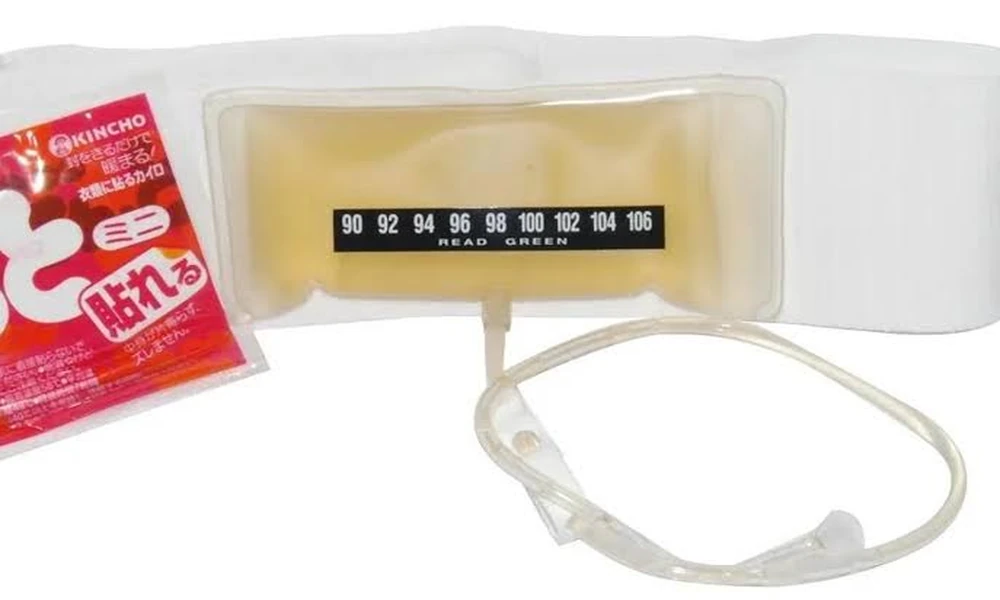
Synthetic samples help laboratories recreate familiar testing conditions without relying on natural specimens. Synthetic urine can contain selected substances that reflect expected chemical properties during controlled practice sessions. Careful formulation supports repeatable preparation while allowing technicians to examine reactions under planned conditions. This approach helps training activities remain organized while supporting accurate observation, with synthetic pee serving as a practical reference sample.
Chemical Components Support Accuracy
A suitable mixture contains carefully measured compounds that create expected physical and chemical characteristics. Urea can help represent a major nitrogen-containing substance found in ordinary specimens. Creatinine supports comparison during analytical exercises where concentration levels require controlled adjustment. Water provides the main base, while dissolved elements help maintain the intended composition.
Controlled Formulation Improves Simulation
Consistent preparation allows repeated exercises to produce comparable observations across separate sessions. Each ingredient needs accurate measurement because small changes can influence testing results. Technicians can adjust concentration levels according to the purpose of a specific laboratory exercise. These qualities make synthetic pee suitable for controlled demonstrations where repeatability matters.
Laboratory Testing Uses
These prepared samples can support training tasks involving measurement equipment plus basic analytical procedures. Their controlled nature allows learners to practice handling techniques without depending on unpredictable specimen differences. Common uses include:
- Testing instruments with measured samples under controlled laboratory conditions.
- Practicing sample handling techniques during routine laboratory training sessions.
- Comparing concentration readings across repeated controlled testing exercises.
- Checking measurement procedures before working with actual biological specimens.
- Demonstrating chemical reactions using prepared reference mixtures during instruction.
Storage Supports Sample Quality
Proper storage helps preserve the intended characteristics of prepared laboratory mixtures over time. Containers should remain sealed to reduce unwanted exposure during handling. Suitable temperature conditions can help maintain consistency between preparation periods. Clear labeling also helps technicians identify composition details plus preparation dates without confusion.
Reliable Preparation Strengthens Training
Careful preparation creates dependable reference samples for repeated laboratory simulation activities. Accurate weighing plus measured mixing can reduce variation between separate batches. Technicians should follow established preparation records so each mixture remains consistent with its intended purpose. Good handling practices also help maintain sample quality during routine laboratory exercises.
Synthetic formulations can make laboratory practice more controlled while supporting repeated measurement tasks. Selecting suitable compounds helps recreate useful chemical conditions without unnecessary variation. Proper storage further protects prepared mixtures during scheduled activities. With clear preparation records plus careful measurement, these samples can provide dependable support for training and equipment evaluation.
FAQ
What compounds are commonly included in laboratory synthetic samples?
Urea, creatinine, salts, water, plus selected additives are common.
Why is controlled composition important during laboratory simulation activities?
It helps produce repeatable results across separate practice sessions.
How does proper storage affect prepared laboratory simulation samples?
Suitable storage helps preserve expected properties during scheduled testing.
